1. Dreo Atom One
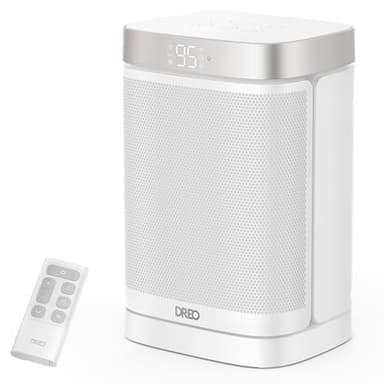
Compact, quiet, a real thermostat with ECO cycling, a 12-hour timer, and tip-over shutoff — the right small heater for a camper's tight quarters and bumpy floors.
~$45 typical price
Buy on AmazonUse-case guide · 2026
RV heating splits by where the power comes from. On shore power, a small ceramic heater with a thermostat beats running the propane furnace all night. Off-grid, a portable propane heater is the common choice — with strict ventilation and a CO alarm, because you're burning fuel in a very small sealed box. And heated bedding lets you sleep warm either way on a fraction of the power.
Heater size needed
750–1,500W on shore power; 4,000–9,000 BTU propane off-grid
Type that fits best
Small ceramic with thermostat (hookups) · Buddy heater (boondocking)
Not sure what size you need? Run your room through the heater sizing tool →

Compact, quiet, a real thermostat with ECO cycling, a 12-hour timer, and tip-over shutoff — the right small heater for a camper's tight quarters and bumpy floors.
~$45 typical price
Buy on Amazon
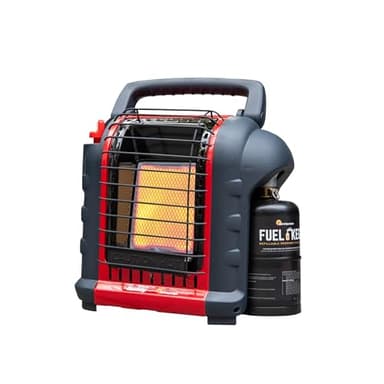
4,000/9,000 BTU of propane heat with an oxygen-depletion sensor and tip-over switch — the standard boondocking heater, used only with ventilation and a CO alarm.
~$100 typical price
Buy on Amazon
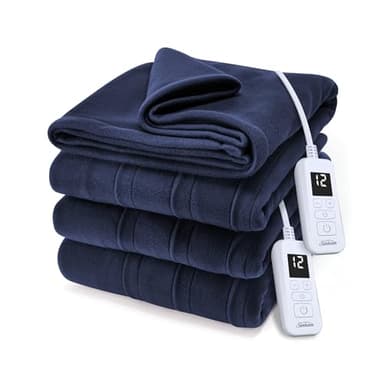
Sleep warm at 50°F inside without running any heater all night; a heated blanket sips power and works off a modest inverter.
~$46 typical price
Buy on AmazonMany RVers do, following the manual: adequate ventilation (a cracked window and roof vent), a working CO alarm, never while sleeping, and never in a space smaller than the heater's minimum. It's designed as an indoor-rated heater with an oxygen-depletion sensor, but the ventilation requirement isn't optional.
A 1,500W heater is 12.5 amps on a 120V circuit — fine alone on a 30A hookup, but combined with an electric water heater, microwave, or a second heater it will overload the circuit. Run one heater, on its own outlet, and watch total load.