Use-case guide · 2026

Best heater for a Home Office or Under a Desk

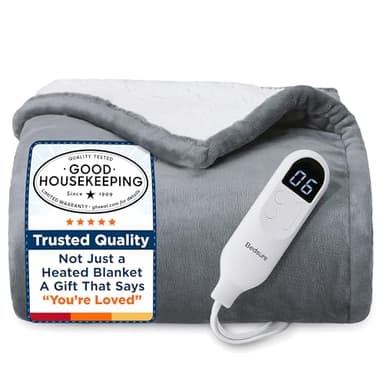
Home-office heating is a personal-zone problem: you're sitting still for hours in one spot while the rest of the house is fine. That means a small, quiet heater with a real thermostat aimed at your legs — or skipping the heater and warming yourself with a heated throw for a tiny fraction of the electricity.

What this space needs

Heater size needed

900–1,500W personal zone (or a 50–100W heated throw)

Type that fits best

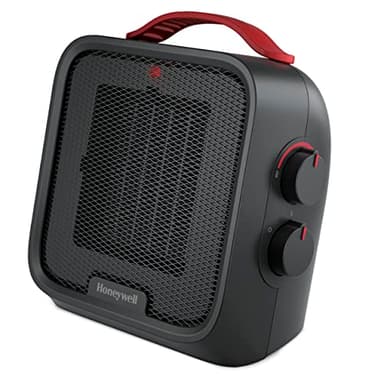
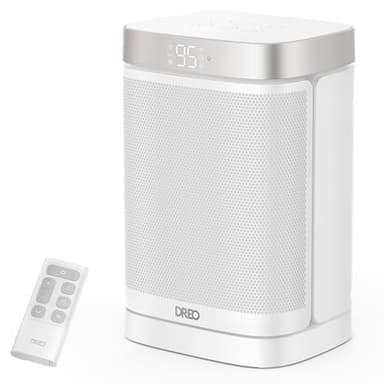
Compact ceramic with thermostat — or heated throw

  • A heater under a desk needs a tip-over switch and cool-touch housing — you will kick it — and 3 ft of clearance from the chair mat, cables, and the wastebasket.
  • Fan noise matters on video calls: choose a heater that's quiet on low, and let the thermostat cycle it.
  • A heated throw over your lap costs pennies an evening and zero fire-risk anxiety; many people find it does the whole job.

Not sure what size you need? Run your room through the heater sizing tool →

Our picks

Before you buy

  • Plug heaters into a wall outlet — never the power strip your monitors are on. A 12.5-amp heater on a strip is the classic office fire.
  • Don't share a circuit with a space heater and a laser printer or microwave; you'll trip the breaker.
  • Keep paper, cables, and the wastebasket three feet away; keep the intake clear of carpet.

Frequently asked questions

Can I plug a space heater into a power strip?

No. Space heaters draw up to 12.5 amps continuously, which exceeds what most power strips and light extension cords are built for and is a leading cause of heater fires. Plug directly into a wall outlet.

What's the cheapest way to stay warm in a home office?

A heated throw or lap blanket. It warms you directly for well under 100 watts — a fraction of a 1,500W space heater — and lets you leave the room at the house's normal temperature.

More use-case guides