Use-case guide · 2026

Best heater for a Basement

Basements are cold because concrete floors and walls soak up heat, not because the air is especially cold. That makes radiant (infrared) heat unusually effective down there — it warms the surfaces and the people — and it makes steady, always-on heat work better than bursts. Big or unfinished basements may need 240V.

What this space needs

Heater size needed

1,500W per ~150 sq ft finished; 240V for large/unfinished

Type that fits best

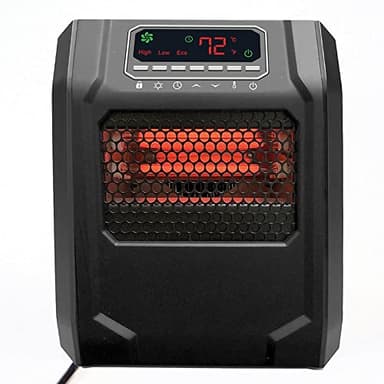
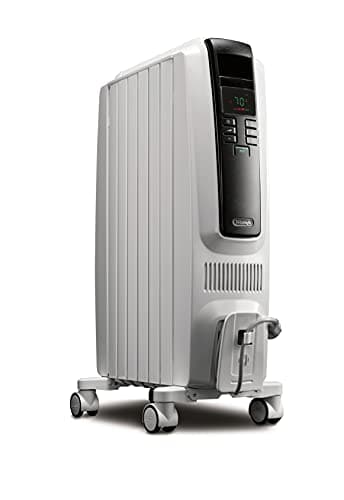
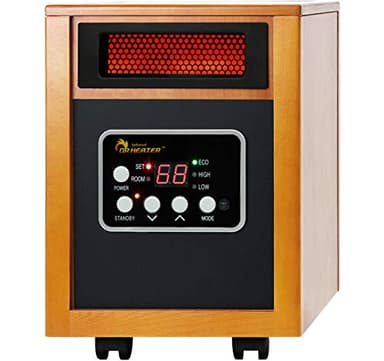
Infrared cabinet or oil-filled radiator

  • Concrete is a heat sink. Infrared warms the floor and furniture directly, which is why cabinet heaters feel better in a basement than fan heaters of the same wattage.
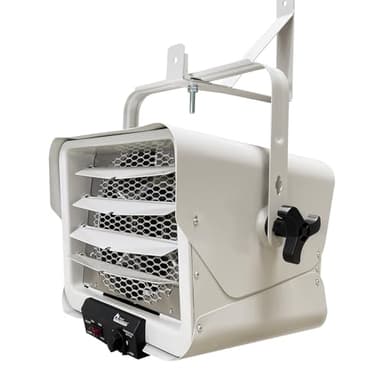
  • A 1,500W plug-in covers a finished basement room; an open 800 sq ft basement needs a 240V unit or multiple heaters on separate circuits.
  • If it's damp, a heater alone won't fix the chill — run a dehumidifier too. Dry air at 62°F feels warmer than damp air at 65°F.

Not sure what size you need? Run your room through the heater sizing tool →

Our picks

Before you buy

  • Basement outlets are often shared with the furnace or sump pump — don't put a 1,500W heater on the sump pump's circuit.
  • Keep heaters off the floor if it ever gets damp, and away from stored boxes, paint, and solvents.
  • Finished basements with carpet over concrete: the floor will always read cold; area rugs and infrared help more than a hotter air setting.

Frequently asked questions

Why does my basement feel colder than the thermostat says?

Concrete walls and floors are cold surfaces that pull radiant heat from your body, and basement air is often damp, which increases the chill. Radiant (infrared) heat and a dehumidifier address both; a fan heater that only warms the air addresses neither very well.

What size heater for an 800 sq ft basement?

As sole heat, ~8,000W — well beyond one plug-in. Use a 240V unit heater for the open area, or zone it: a 1,500W infrared cabinet where people sit and leave the rest cool.

More use-case guides