Hangs on the wall out of reach, the grille is designed to stay touchable, the thermostat holds a setpoint, and you can check or adjust it from your phone without opening the door.
~$120 typical price
Buy on AmazonUse-case guide · 2026
Heating a nursery is mostly a safety question. Pediatric guidance points to a room temperature around 68–72°F and warns against overheating, so you want a heater that holds a modest setpoint, can't be knocked over, doesn't have a hot surface within reach, and isn't a fire risk overnight. Humidity matters too — dry winter air is what wakes a congested baby.
Heater size needed
750–1,500W with a real thermostat, set to ~68–72°F
Type that fits best
Wall-mounted infrared or cool-touch oil-filled radiator
Not sure what size you need? Run your room through the heater sizing tool →

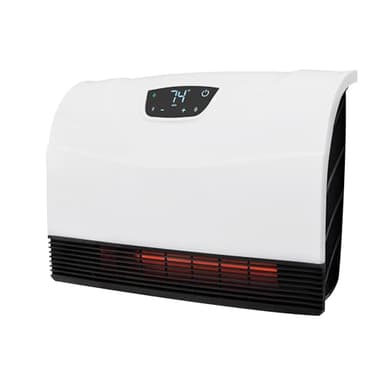
Hangs on the wall out of reach, the grille is designed to stay touchable, the thermostat holds a setpoint, and you can check or adjust it from your phone without opening the door.
~$120 typical price
Buy on Amazon
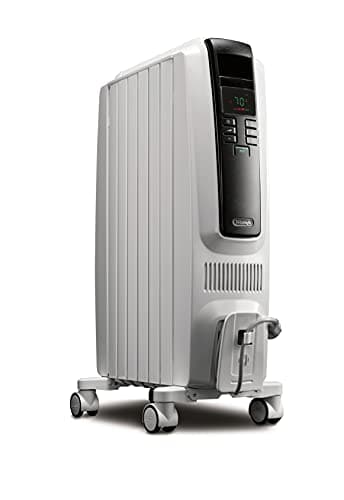
Silent, no glowing element, tip-over shutoff, and thermal slots that keep the surface cooler than older radiators. Keep it three feet from the crib and anything fabric.
~$190 typical price
Buy on Amazon
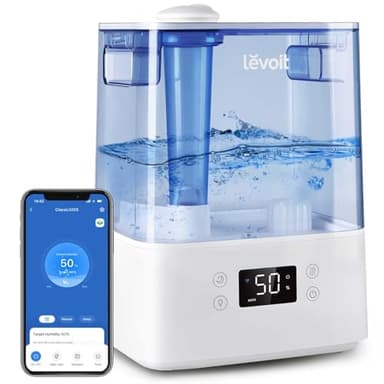
Near-silent cool mist with a humidity sensor and auto mode — set 45%, refill from the top, and the baby's room stops being desert-dry all winter.
~$80 typical price
Buy on AmazonCommon pediatric guidance is about 68–72°F (20–22°C). Overheating is a risk factor to avoid, so set a heater's thermostat to the low end of that range and check with a separate room thermometer rather than relying on the heater's display.
Used correctly — wall-mounted or cool-touch, tip-over and overheat protection, a thermostat set to a modest temperature, plugged into a wall outlet, three feet from the crib — they're a reasonable way to keep a cold room in range. Avoid exposed-element heaters, anything on a power strip, and anything a toddler can pull over.