Use-case guide · 2026

Best heater for a Sunroom or Three-Season Room

A sunroom is mostly glass, which means it loses heat about as fast as you make it. Warming the air is a battle you'll lose on a cold night; warming the people and the furniture with infrared is a battle you can win. The goal is usually to stretch the season — comfortable afternoons and evenings in spring and fall — not to hold 70°F in January.

What this room needs

Heater size needed

1,500W infrared for supplemental use; 2× or 240V to hold temperature

Type that fits best

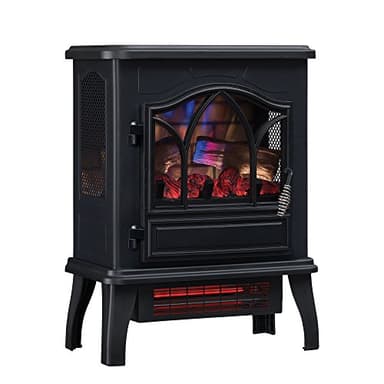
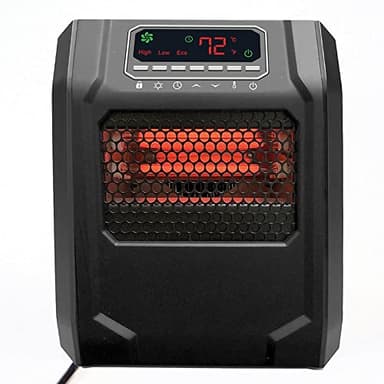
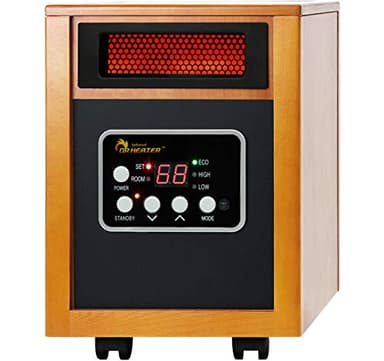
Infrared cabinet (radiant warmth, not air)

  • Glass walls mean high heat loss — figure 15–20 W/sq ft to actually hold temperature, which is beyond one plug-in for anything bigger than a small room.
  • Infrared warms you and the furniture directly; that's what makes a sunroom usable on a 40°F evening with a single 1,500W heater.
  • Insulated cellular shades or thermal curtains at night cut the loss dramatically and are cheaper than a second heater.

Not sure what size you need? Run your room through the heater sizing tool →

Our picks

Before you buy

  • Sunrooms often have one outlet on a circuit shared with outdoor lighting; check before running a 1,500W heater on it.
  • Keep heaters three feet from wicker furniture, cushions, and plants — and away from the glass, where cold air drops.
  • Don't try to hold a winter temperature in an uninsulated sunroom with plug-in heaters; it's expensive and it won't work well. Use it for afternoons and evenings.

Frequently asked questions

Can I heat a sunroom with a space heater in winter?

For supplemental comfort, yes — an infrared heater makes the seating area pleasant on cold afternoons. To hold a living-room temperature overnight in a glass-walled room you'd need 15–20 W/sq ft, which usually means a 240V unit or a mini-split, plus insulated window coverings.

Why infrared for a sunroom?

Because the air in a glass room is a lost cause — it leaks out as fast as you heat it. Infrared radiates heat onto you and the furniture directly, so you feel warm while the air stays cool.

More use-case guides